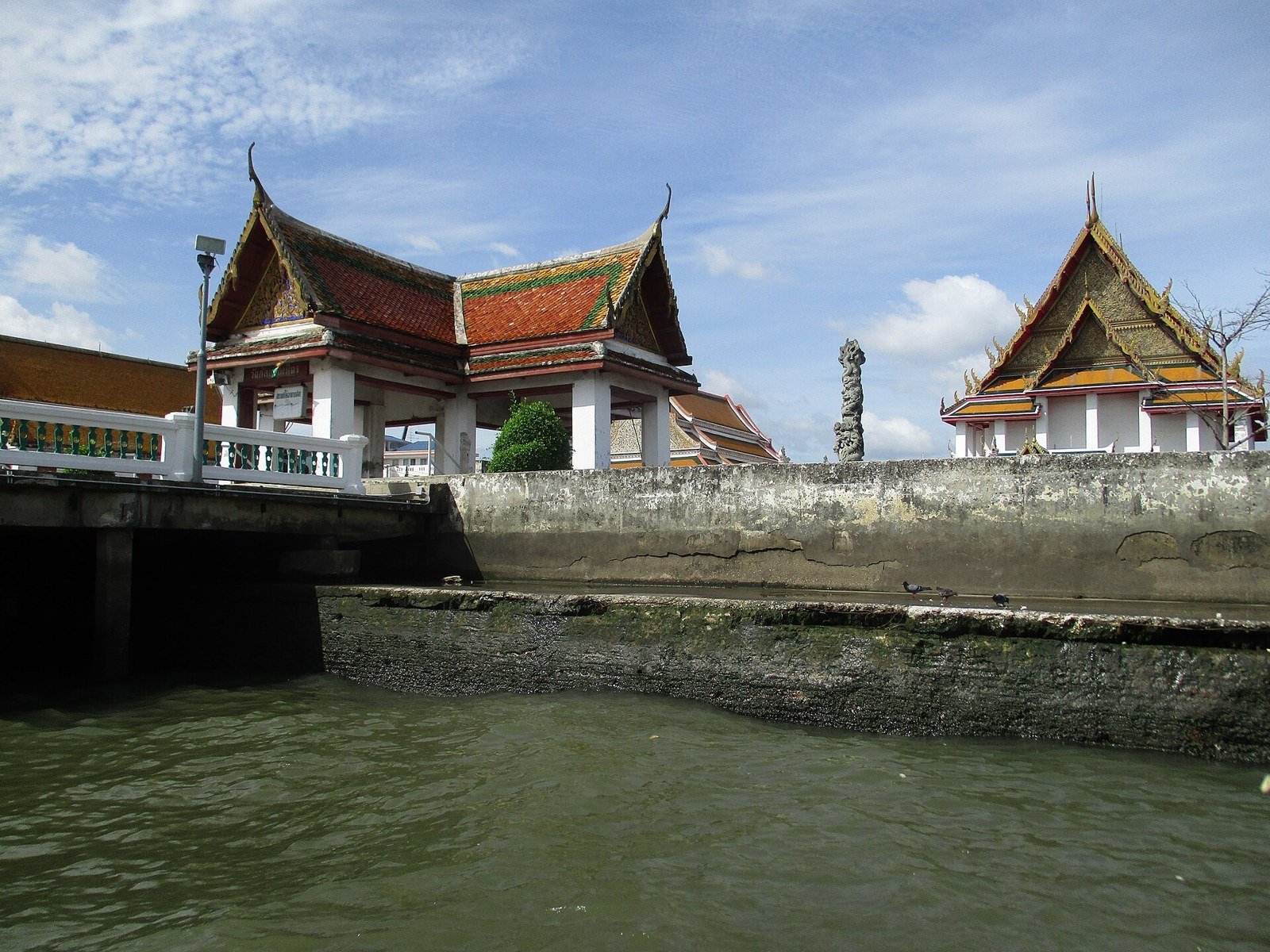
Wat Kalayanamit puts a major worship hall into a riverbank itinerary on the Thonburi side of the Chao Phraya. It is especially useful when combined with the Kudi Chin area, but the temple’s position should not be mistaken for confirmation that every river boat calls at its pier.
Start with the large worship hall
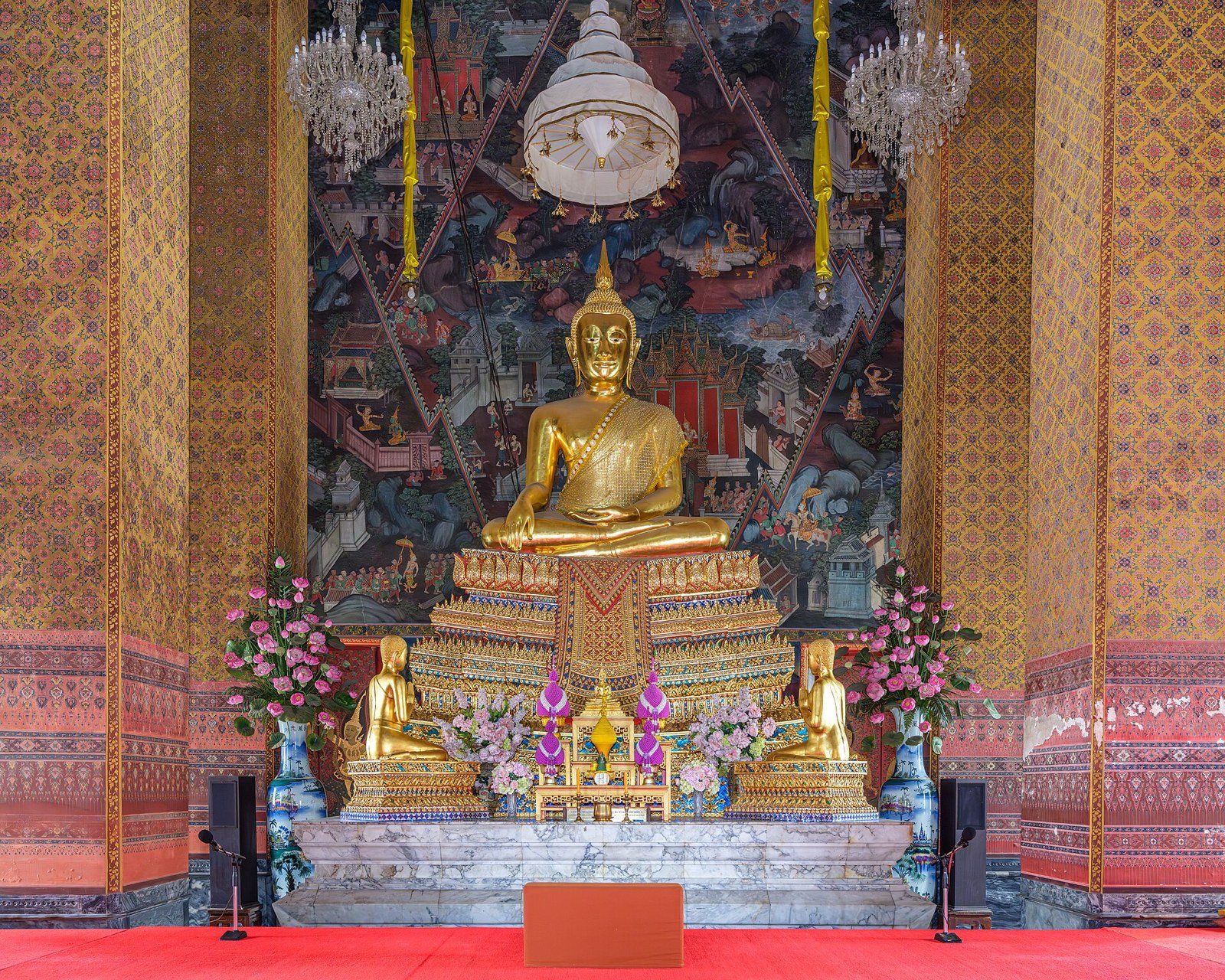
The principal draw is Phra Phuttha Trai Rattananayok, commonly known as Luang Pho To and also revered by Chinese worshippers as Sampokong. The large Buddha sits in the main viharn. This is the hall to identify first if your purpose is to pay respects, rather than wandering between buildings in search of the temple’s best-known image.
The temple was established in the reign of Rama III with land provided by Chaophraya Nikonbodin. That history connects the monastery to the development of Thonburi’s riverbank communities. It also helps explain why Thai and Chinese devotional associations belong together here, instead of being treated as separate visitor attractions.
Separate the viharn from the ordination hall
The main worship hall and the smaller ordination hall have different focal points. The latter houses a Buddha in the Palilai posture and murals that include Buddhist narrative and scenes of life. Do not assume that a visit to one hall automatically includes access to the other.
Use the riverbank location accurately
The temple stands beside the Chao Phraya near the mouth of Khlong Bangkok Yai. That location gives it a clear place in a Thonburi plan, distinct from the temples on the opposite bank. A map view is useful for deciding which side of the river to stay on before selecting transport.
The Tourism Authority of Thailand describes a crossing between Atsadang Pier and the Wat Kalayanamit cross-river pier in its Kudi Chin itinerary. Treat this as a named route to check, not a current sailing guarantee. Confirm that the service is running, its boarding location and the return arrangement with the operator.
An approach from Sanam Chai
The same official itinerary pairs MRT Sanam Chai with the Atsadang crossing. This is an option for visitors staying on Bangkok’s older-city side who want to reach the temple by river. It is different from assuming that an express boat on the main river can deliver you directly to the temple.
If the intended crossing is suspended or unsuitable for the group, a road journey is a separate alternative to arrange. Do not build a tight chain of temple admissions around an unconfirmed ferry. Starting with the actual boarding point and bank of the river makes the plan easier to adjust without losing the main purpose of the visit.
Add Kudi Chin without turning it into a race
The Kudi Chin area gives context to the temple rather than simply adding another landmark. Official cultural material links Wat Kalayanamit with the nearby Thai-Portuguese community, Santa Cruz Church and the Kian Un Keng Shrine. The neighbourhood brings different religious traditions into the same riverbank story.
An editorial route can therefore begin with the temple and continue into the community when the relevant places are receiving visitors. This is not a promise that church, museum and shrine interiors share opening hours. Choose one additional interest and check it separately, rather than treating an entire neighbourhood as one ticketed attraction.
Plan for worship, then choose a base
TAT lists a daytime visiting period, but individual halls and religious activities can have their own access arrangements. Confirm the current visitor opening if your day depends on a particular interior. No charge, compulsory donation or bundled boat-and-temple price is assumed in this guide.
Keep shoulders and knees covered and follow the instructions where shoes are left before entering a hall. At Luang Pho To, leave space for people making offerings and avoid positioning a photograph between a worshipper and the image. This is a working monastery even when the surrounding itinerary is recreational.
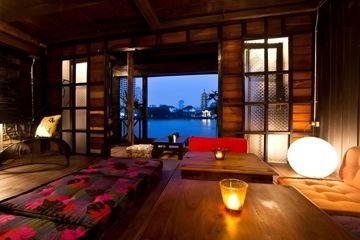
For accommodation, a Thonburi riverside base can reduce the need to change banks for this part of the trip. A hotel across the river can still be sensible for Wat Pho and other old-city visits, but the crossing becomes an additional decision. Compare the actual pier or road route in each hotel review rather than choosing on the word riverside alone.
Sources & further reading
Sources checked on 29 October 2026. Confirm current visiting arrangements and ceremony notices before setting out.