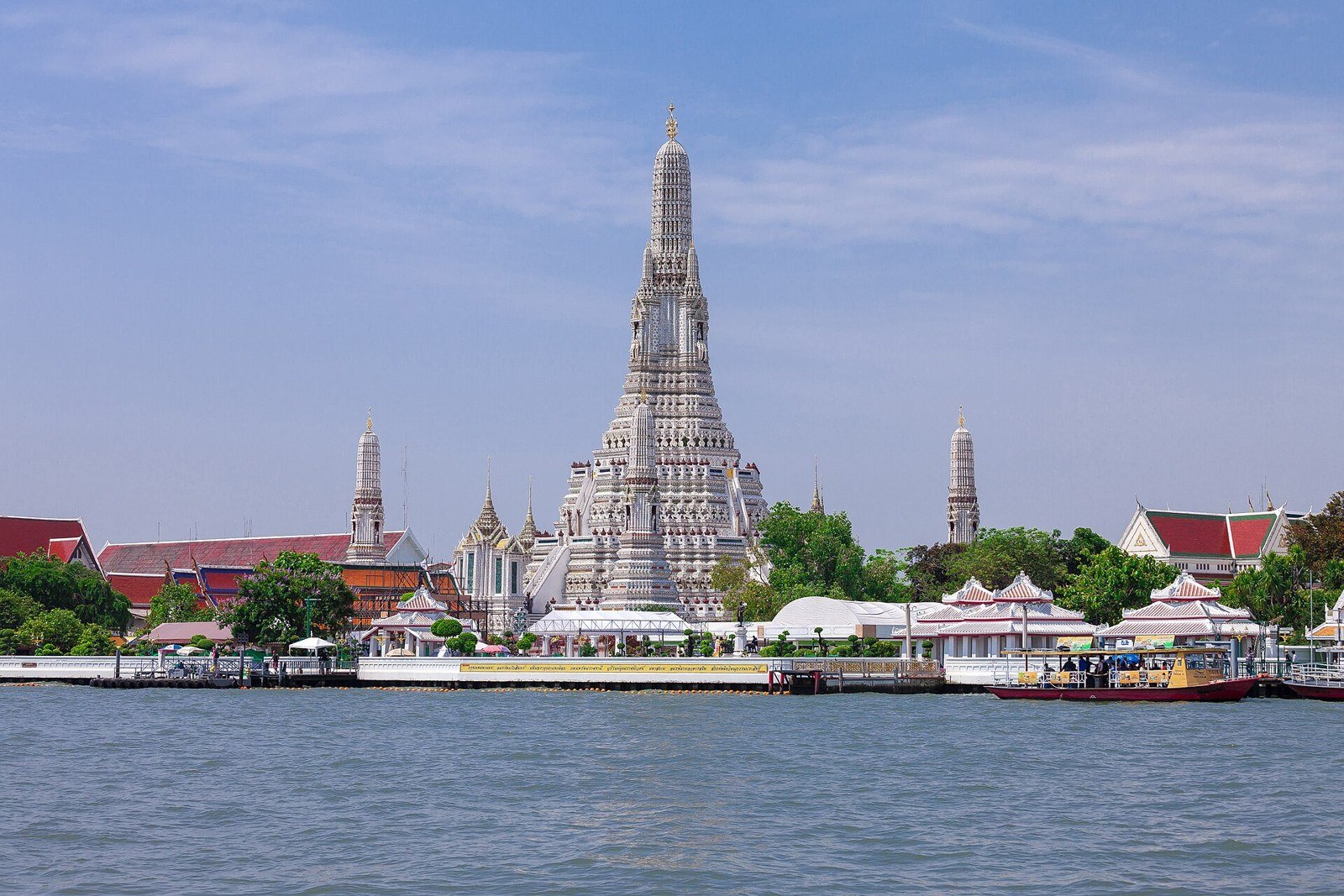
Wat Arun is on the Thonburi bank, directly across the Chao Phraya from Wat Pho. That position is central to the visit: a photograph from the opposite shore, a boat arrival and time inside the temple are three different experiences. Start with the decorated prang and the visitor areas that are actually open, then decide how the river fits the rest of the day.
A temple on the former capital’s riverbank
TAT places Wat Arun on Arun Amarin Road in Bangkok Yai and traces the temple to the Ayutthaya period. It later became part of King Taksin’s Thonburi royal setting, before Bangkok’s royal centre developed on the opposite bank. The Emerald Buddha was once enshrined here, although it is now at Wat Phra Kaew. The two temples have related histories but are separate destinations.
The main prang is the architectural feature that gives Wat Arun its familiar river profile. Its surface is covered with ceramic and porcelain fragments arranged into detailed patterns, with sculpted figures around the structure. A close visit therefore reveals something different from the distant silhouette: the interest is in how small pieces create a much larger architectural surface.
Plan for the base, not a promised climb
TAGTHAi’s visitor guide published on 13 October 2026 states that visitors can look around and photograph the base of the prang, while the upper part is not open for climbing. Do not build the visit around older pictures of people standing high on the structure or around an assumed panoramic viewpoint. Follow the boundaries and staff instructions in place on the day.
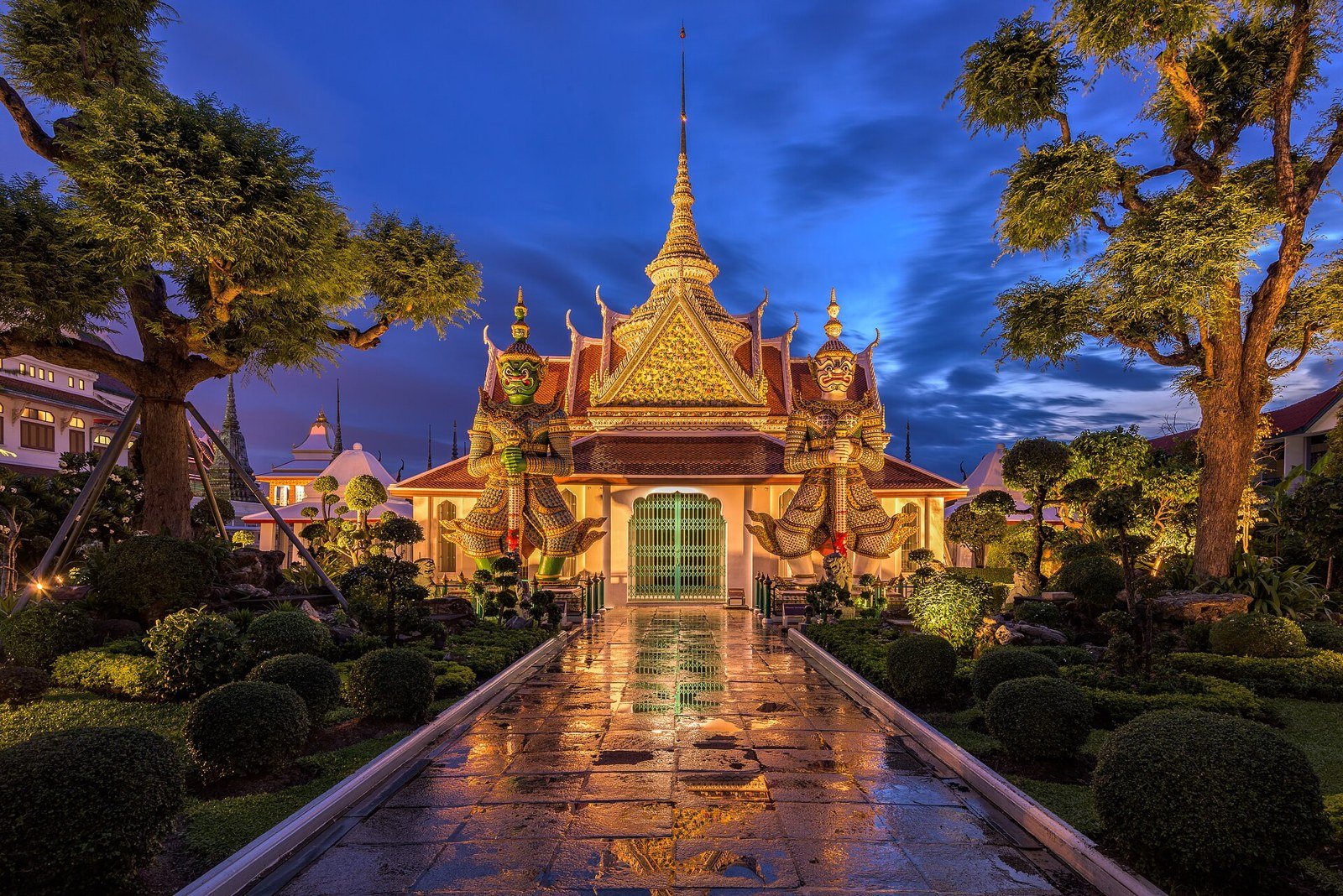
The temple has other architectural spaces beyond that central view. The entrance guardians and the area around the ordination hall provide another reason to look away from the prang for part of the visit. Take care not to confuse a path used by worshippers with a space set aside for a posed photograph.
An editorial approach is to begin by understanding the central prang from the permitted ground-level area, look more closely at its decoration, and then continue to other open parts of the temple. The exact route depends on current access. No photograph in a travel article can establish that a staircase, terrace or interior is presently available.
Use the current visitor window and admission figure
TAT’s English listing gives normal visiting hours of 08:00–18:00 and a 200-baht foreign-adult entrance fee. TAGTHAi’s October 2026 guide gives the same hours and price. These are the figures to plan around, with admission conditions checked at the temple. Some older or differently maintained descriptions show a lower price; do not assume those still apply.
The name Temple of Dawn does not mean that ticketed visitor areas open for a dawn visit. Equally, a view of the temple from another riverbank is not the same as entry to its grounds. Choose between an architectural visit and an outside river view on their own terms rather than promising both inside a single early or late time slot.
Decide which bank begins the journey
From the old-town side, Tha Tien is the natural river reference for Wat Pho and a crossing to Wat Arun. A cross-river ferry moves between banks; a through-running river boat serves a sequence of piers. Check the actual service and boarding point rather than assuming every vessel arriving at Tha Tien or every boat with “Chao Phraya” in its name makes the same journey.
The Chao Phraya Tourist Boat lists Wat Arun on its own pier route, alongside stops including Sathorn, Tha Tien, Tha Chang and Tha Maharaj. This offers a different arrival pattern from making a short crossing after visiting Wat Pho. Choose a ticket and route for the journey you need; a temple entry fee and a boat product are separate purchases.
For a rail approach from the Phra Nakhon side, Sanam Chai MRT station is a useful starting point for Wat Pho and Tha Tien before the river leg. A road arrival on the Thonburi bank avoids that particular crossing. Neither option establishes a fixed door-to-temple journey time, and a riverfront hotel may be on either bank.
Ceremony days can change an ordinary river plan
A government announcement dated 28 October 2026 confirms preparations for the Royal Barge Procession to Wat Arun on 6 November 2026. Its second full-dress rehearsal took place on 28 October. This matters to a sightseeing plan because the temple and its river approach are part of an active royal ceremony route, not simply a backdrop.
If travelling around that ceremony, check current temple and transport instructions before relying on the ordinary visitor pattern. The announcement does not provide a universal tourist closure window or a replacement ferry timetable, so none is assumed here. Make the boat connection flexible and allow an alternative day for the interior temple visit if access is restricted.
Dress for the temple, and choose a realistic next stop
Cover shoulders and knees, keep the sound level appropriate for worship and remove shoes where instructed. TAGTHAi also reminds visitors not to obstruct paths during photography or climb on sacred objects. Clothing hire and photo services around the temple are optional commercial activities; they do not replace the temple’s own admission and conduct rules.
Wat Pho makes a coherent second stop across the river when access and the chosen boat service allow. Wat Phra Kaew requires a separate palace-compound entry and its own ticket window. An editorial suggestion is to choose one neighbouring temple after Wat Arun, rather than treat both as compulsory additions to a crowded day.
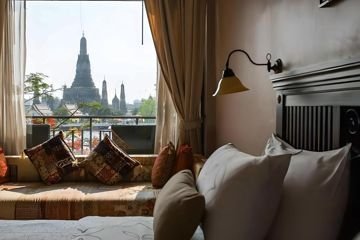
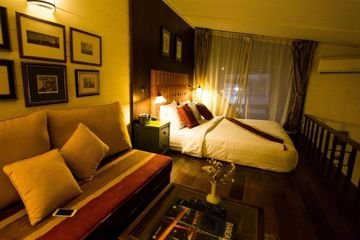
For accommodation, compare an actual Thonburi-side address with a Tha Tien or old-town base on the other bank. Read the individual review for the road, pier and room setting. A temple-view room can serve an evening outlook, while a rail-connected room elsewhere may suit a wider Bangkok itinerary. Neither description by itself confirms an easy walk to Wat Arun’s visitor entrance.
Sources & further reading
Sources checked on 29 October 2026. Confirm current visiting arrangements and ceremony notices before setting out.